
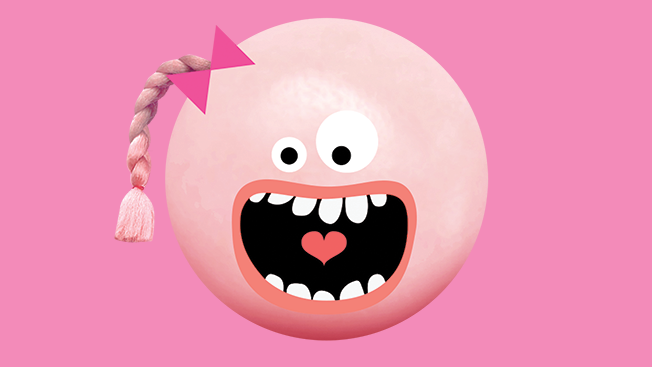
Many brands are creating their own emoticons.
Cute-Crazed. Selfie-Obsessed. Bad Happy. These are just three of the names of Mentos' new branded emoticons, or "ementicons," which will soon be available for the mint brand's socially savvy fans to use. Mentos isn't alone. As communication on mobile devices has become more image-based—through the use of emoticons, emojis and stickers—brands like Ikea, Coca-Cola, General Electric, Comedy Central and others have created their own branded emoticons to engage audiences in a new way.
There are nearly 2 billion smartphone users worldwide, according to eMarketer data. Given the size and scope of this connected audience, "It's a no-brainer that brands would explore this," said Thomas Ordahl, chief strategy officer for Landor. "It will create new opportunities to communicate and relate to people that are important for you to engage as a brand."
For Mentos, the 10 ementicons, which are available through a new keyboard in the messaging app Ultratext, were a way to play off the freshness attribute of the brand by refreshing the already available emojis.
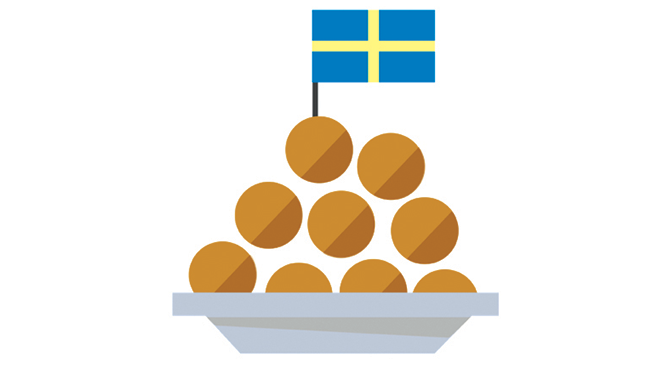
Ikea's Swedish meatballs were included in the brand's 100 emoticons.
"We've seen messaging, emoticon and emoji use skyrocket across platforms globally," said Ben Shaw, strategy director for BBH in London, Mentos' agency. "Creating branded emoticons, or social stickers, allows Mentos to participate in a space that can be difficult for brands to penetrate."
In mid-February Ikea and Coca-Cola both launched branded emoticons. Ikea launched 100 emoticons, including its Swedish meatballs. Coca-Cola in Puerto Rico created 30 emoticons that the brand dubbed "emoticoke."
"In general you could say emoticons offer a great way for brands to—potentially on a global scale—become part of the everyday conversations of people," said Mark Ogertschnig, an Ikea spokesman.
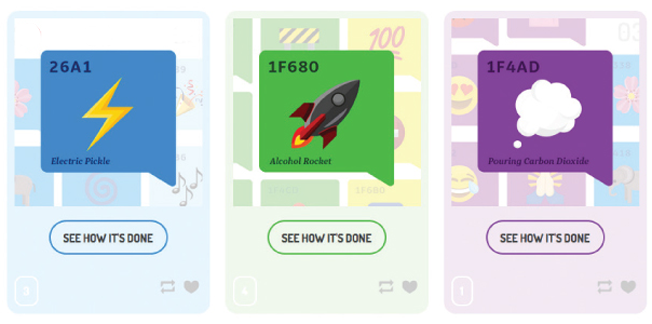
GE's Emoji Periodic Table of Experiments
The list of brands looking for new ways to penetrate this space keeps growing. For the premiere of Broad City's second season in January, Comedy Central partnered with the platform Snaps to create a Broad City-themed emoticon keyboard. For a science event in late 2014, General Electric developed the Emoji Periodic Table of Experiments for Snapchat users. In December, AT&T made an interactive holiday site where users could create personalized emoticons to sing carols.
According to Swyft Media, 41.5 billion messages and 6 billion emoticons or stickers are sent around the world every day on mobile messaging apps. "When we offer mobile app users the imagery of their favorite brands, they don't see it as advertising," noted Evan Wray, co-founder of Swyft Media. "They see it as self-expression."
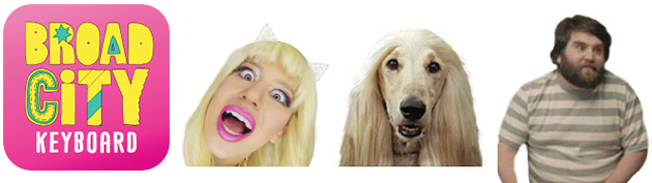
Broad City's emoticons derive from the show's jokes.
But brands looking to take advantage of this trend need to understand the difference between emojis and emoticons or stickers. The emoji keyboard, which now comes standard on many smartphones, is comprised of various emojis approved by the Unicode Consortium. Brands looking to create their own emoticons and stickers have to make their own apps or partner with messaging apps like Kik, WhatsApp and Facebook Messenger to have their branded emoticons available for consumer use.
Taco Bell recently lobbied the Unicode Consortium to add a taco emoji to its keyboard. The brand circulated a Change.org petition that's secured 30,000 signatures. So why not create its own emoticons or stickers instead of waiting for the Unicode Consortium to add a taco emoji? "We didn't go create our own app because people use the emojis natively already," explained Taco Bell rep Ashley Sioson. "We want it to be a natural tie-in to how the user already uses emojis."

